Your St Petersburg Lifestyle Guide to Arts, Dining & Waterfront
June 25, 2026
June 25, 2026
Wondering what everyday life in St. Petersburg really feels like? If you are drawn to the idea of museum afternoons, dinner on a lively boulevard, and easy access to the bay, St. Pete stands out for how closely those experiences sit together. For buyers relocating, investing in a second home, or searching for a primary residence with lifestyle value, this city offers more than scenery. It offers a rhythm of living shaped by art, dining, and waterfront access. Let’s dive in.
St. Petersburg is often known for its waterfront and sunshine, but that only tells part of the story. Downtown St. Pete is described in official tourism materials as a hub for museums, galleries, restaurants, nightlife, and waterfront parks, while city planning documents describe the downtown core as mixed-use and pedestrian-oriented.
That mix matters when you are choosing where to live. Instead of driving long distances for culture, dining, or outdoor time, you can often build those experiences into your normal routine. In St. Pete, lifestyle is not a special occasion feature. It is part of daily life.
The Central Arts District runs along Central Avenue from 3rd Street to 7th Street. It is known for murals, galleries, boutiques, and restaurants, creating a street-level setting that feels active and creative.
This district also sits near well-known arts institutions like Florida CraftArt, the Chihuly Collection, Morean Arts Center, and the James Museum. If you want a neighborhood where visual culture feels visible and immediate, this part of St. Pete sets the tone.
Just west of downtown, the EDGE District offers a walkable area with dining, drinking, and shopping. It has a casual, active feel that appeals to people who want local spots close at hand.
The nearby Grand Central District adds even more depth. With more than 450 locally owned businesses, it gives you a strong sense of local commerce and street activity, with restaurants, bars, and art galleries all part of the mix.
For buyers, this area is less about one landmark and more about choice. You can picture mornings at a coffee shop, evenings out nearby, and a neighborhood setting that feels connected to local business life.
The Warehouse Arts District offers a different kind of creative atmosphere. Located in a former industrial corridor between 16th and 31st Streets and 10th Avenue South to 1st Avenue North, it is known for large studio spaces, galleries, breweries, event venues, and art-making spaces.
This area feels more industrial-cool than polished. It is also connected to the Pinellas Trail and the city’s Second Saturday ArtWalk, which helps make it part of a larger citywide arts network.
For many buyers, the appeal here is proximity. You may look to nearby residential streets and adjacent districts for a home, while still enjoying easy access to this creative hub.
One reason St. Pete’s arts culture feels so strong is that it is not limited to one pocket. The Second Saturday ArtWalk ties together the Central Arts District, Grand Central District, Warehouse Arts District, Uptown Arts District, and the downtown Waterfront District.
That interconnected feel gives the city a wider sense of energy. If arts access matters to you, St. Pete offers not just one destination, but a full circuit of places and events that can shape how you spend your time.
Beach Drive is one of the clearest examples of how St. Pete blends waterfront access with everyday convenience. In the Waterfront Museum District, which runs between Beach Drive and 3rd Street from 7th Avenue South to 7th Avenue North, you get a mix of major museums and one of the city’s best-known dining corridors.
Beach Drive is lined with restaurants and outdoor dining, making it a natural part of an evening routine. If you value being able to walk to dinner and then continue toward the water, this setting delivers that experience in a very direct way.
The St. Pete Pier plays a major role in how people experience the city. Spanning 26 acres on Tampa Bay, it brings together restaurants, public art, family activities, a marketplace, and open green space.
It is also designed for movement and views. You can walk, bike, or rollerblade along the waterfront while taking in the marina and skyline, which gives the pier a strong everyday-lifestyle function rather than feeling like a one-time attraction.
For buyers comparing locations, this matters. Living near a place like the pier can change how often you spend time outdoors, meet friends, or enjoy the bay without needing a full day’s plan.
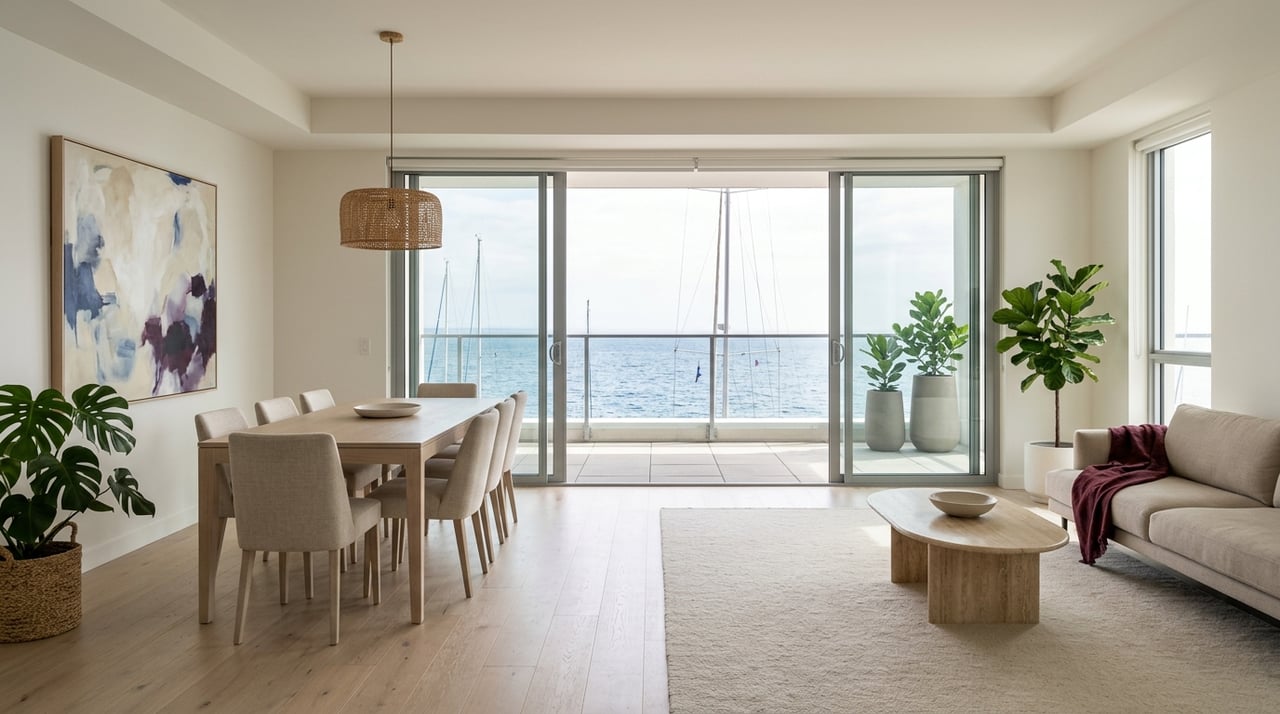
Waterfront living in St. Pete is not only about views. It is also about access. The Vinoy Club Marina offers 74 slips for vessels up to 120 feet and sits next to the Vinoy Resort and downtown, placing boating infrastructure close to the city core.
On the public side, Demens Landing Park offers a boat ramp and bay views. North Shore Park stretches along Tampa Bay from Coffee Pot Bayou to Vinoy Park and includes walking paths that connect toward Snell Isle, along with tennis courts, a beach, and open waterfront.
These places expand what waterfront living can mean. Depending on your goals, it could be morning walks, marina access, park time, or simply having open bayfront space woven into your week.
If you want a home base that puts dining, museums, events, and waterfront spaces within easy reach, downtown St. Pete is the clearest match. Because the downtown core is planned as mixed-use and pedestrian-oriented, it often appeals to condo buyers, loft seekers, and lock-and-leave owners.
This can be especially useful if you are relocating or buying a second home. When convenience matters, being close to Beach Drive, the pier, and the museum district can simplify daily life and reduce the need to plan around traffic or distance.
Historic Old Northeast offers a different feel. It is often seen as a residential counterpoint to downtown, with large restored homes, nearby coffee shops and bars, and close access to bayfront parks.
If you want leafy streets and a more residential setting while staying near downtown activity, this area is worth a closer look. It can be a strong fit for buyers who want character and proximity in the same package.
Historic Kenwood sits west of downtown and is listed on the National Register of Historic Places. It includes more than 1,100 single-family homes and has one of Florida’s highest concentrations of bungalows.
This area pairs well with buyers who are drawn to architectural character and an arts-connected environment. City planning documents also describe the adjacent Artist Enclave of Historic Kenwood as a mix of small-scale home businesses tied to visual, performing, and cultural arts while maintaining residential character.
With Grand Central nearby, this part of St. Pete offers a strong blend of neighborhood feel and local business access. It is a useful option if you want a home with personality and easy access to restaurants, galleries, and events.
The Warehouse Arts area offers standout creative appeal, but many buyers look to nearby neighborhoods such as Central Oak Park and North Kenwood for the residential side of the equation. That is because the arts district itself is shaped by larger creative buildings and industrial-style spaces.
If you like murals, breweries, live-art events, and a less polished atmosphere, this wider zone may be appealing. The key is understanding where the lifestyle hubs are and where the residential streets that support that lifestyle are located.
Snell Isle is a strong option if you are looking for a more polished bayfront setting. North Shore Park’s waterfront paths connect in that direction, and the Vinoy Golf Club adds to the area’s broader water-and-golf context.
For buyers focused on a premium residential feel with access to waterfront scenery and nearby amenities, this part of St. Pete offers a different pace from downtown. It is less about being in the middle of the action and more about having elegant access to it.
When you look at St. Petersburg through a real estate lens, the biggest takeaway is that proximity shapes lifestyle. The city gives you multiple ways to live near art, dining, and waterfront spaces, but each area offers that mix a little differently.
You may want walkable condo living near the pier. You may prefer a historic home near local business districts. Or you may be looking for a more residential bayfront setting with convenient access to downtown.
That is why neighborhood fit matters as much as square footage. In St. Pete, where you live can directly influence how often you dine out, attend an art event, enjoy the water, or simply move through your day on foot.
If you are comparing neighborhoods, it helps to think beyond the home itself. Consider the routines you want your next property to support, whether that is museum nights, marina access, bungalow character, or easy evenings on Beach Drive.
If you are exploring St. Petersburg and want help narrowing in on the right neighborhood, Hilary OBrien offers concierge-level guidance for buyers and sellers who want a polished, local, and highly personalized experience.
Stay up to date on the latest real estate trends.

Whether you’re buying, selling, or exploring your options, I’m here to help you move forward with confidence.