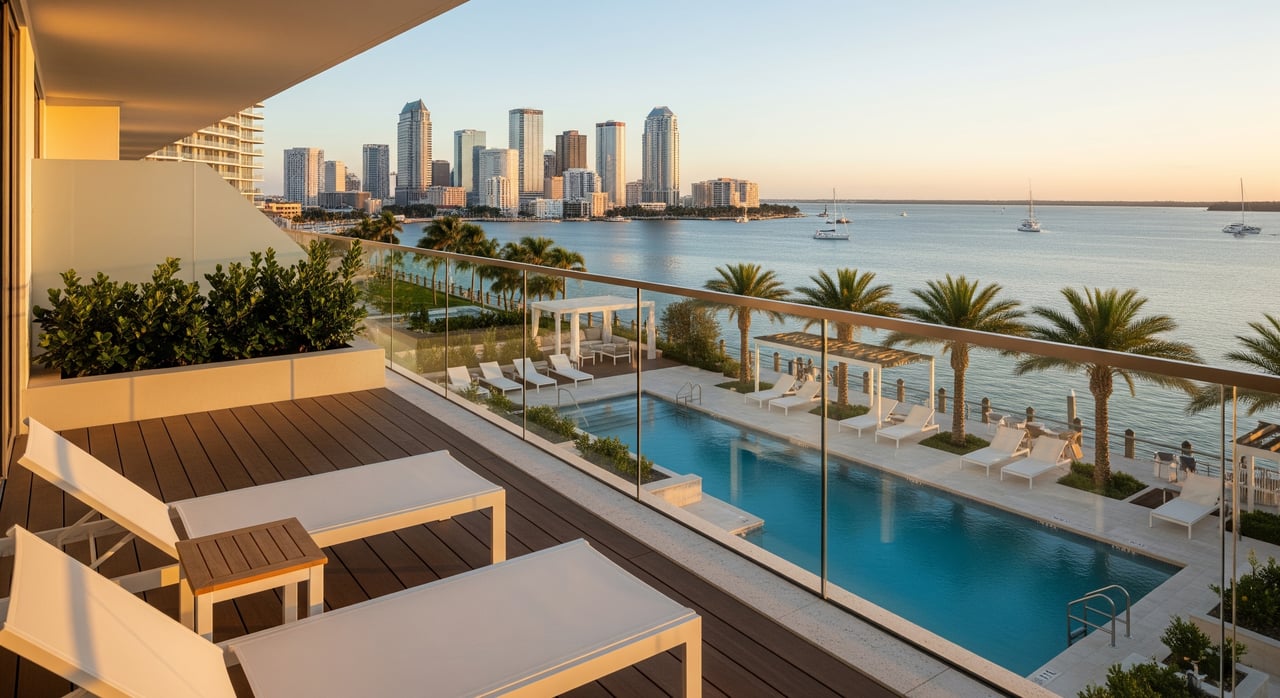
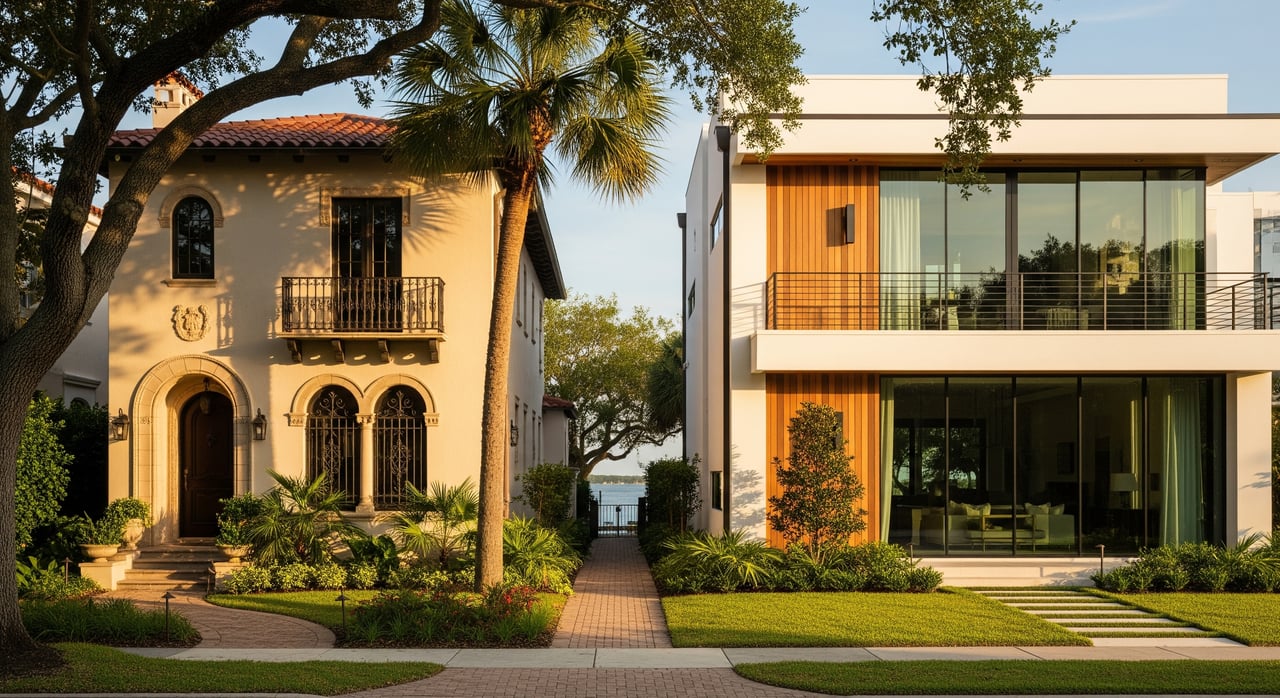
Are you eyeing a skyline view along Bayshore Blvd and wondering why condo HOA fees can look so different from building to building? You are not alone. Understanding what that monthly number includes, and what it does not, is the key to a smart purchase in South Tampa. In this guide, you will learn what fees typically cover, how local factors along the bay affect costs, and exactly how to compare buildings with confidence. Let’s dive in.
What Bayshore Blvd condo fees cover
Condo fees usually bundle three buckets of costs: operating expenses, reserves for big projects, and insurance-related items. Each building’s budget shows how much goes to each bucket. When you review a building, ask to see the current budget and most recent financials so you can confirm what your fee pays for.
Operating expenses you might see
- Common-area utilities and services like water, sewer, trash, lobby electricity, and sometimes shared HVAC for lobbies
- Building services and staffing such as concierge, on-site management, janitorial, landscaping, pool and spa maintenance, security, parking attendants, and elevator service contracts
- Routine maintenance and supplies including pest control, window cleaning, and small common-area repairs
- Administrative and professional costs like the management contract, legal and accounting, tax prep, and bank fees
- Recurring building-wide contracts such as bulk cable or internet and security monitoring
Not every building includes the same services. For example, one association may include water and cable, while another does not. That is why two condos with similar square footage can have very different monthly fees.
Reserves, capital work, and special assessments
Healthy associations set aside money every month in a reserve fund for long-life items. Think roof replacement, elevator modernization, exterior painting, garage repairs, HVAC systems for common areas, and pool resurfacing. A professional reserve study estimates useful life and replacement cost and sets a recommended annual contribution.
If reserves fall short or an urgent project pops up, the board may levy a special assessment. That is a one-time owner charge to fund a capital project or emergency. When comparing buildings, ask for the most recent reserve study, current reserve balance, and a three-year history of special assessments and major projects.
Insurance on the association and on you
Associations carry a master policy that covers the building structure and common areas to the limits of that policy. Policies can vary in how much of the interior they cover. There is also general liability for common spaces. After severe weather, a master policy may have a large deductible. Some boards pass that deductible through to owners as a special assessment.
As an owner, you will also need an HO-6 condo policy for your unit interior, contents, and loss of use. It should be sized to bridge any gaps between the master policy and your responsibilities. Ask for the association’s insurance summary so your insurance agent can tailor your coverage.
Why fees differ between buildings
Several factors drive differences along Bayshore Blvd:
- Services and staffing: Concierge, security, valet, and parking attendants add operating cost
- Amenities: A full gym, spa, rooftop deck, or marina increases maintenance and staffing needs
- Age and condition: Older buildings can have higher reserve needs for elevators, structure, and envelope work
- Management model: Professionally managed buildings can have higher management fees but steadier upkeep; self-managed buildings may be leaner but risk gaps in operations
- Ownership mix: Commercial units or a higher rental percentage can affect insurance pricing and risk
The headline fee tells only part of the story. You want to understand what is included, how well reserves are funded, and the building’s upcoming capital plan.
Local factors on Bayshore Blvd
Bayshore Blvd runs along Tampa Bay, and many buildings are near the water. Flood risk and storm surge exposure can place a building in a FEMA flood zone, which influences insurance requirements and cost. Florida’s windstorm and hurricane exposure also affect pricing and deductibles on master policies.
The boulevard mixes mid-century communities with newer luxury towers. Older properties sometimes show lower monthly dues but may carry larger near-term capital needs. You should also verify recent engineering or structural inspection reports that apply under Florida’s more stringent post-2021 oversight of building maintenance and safety.
Local permit records and the property appraiser’s site can help you confirm past capital work and understand valuation trends. Lenders and insurers may have stricter underwriting for associations with low reserves, ongoing litigation, or governance issues. That can affect financing and premiums, so it pays to review documents early.
How to compare buildings with confidence
Use a consistent framework so you are not swayed by a single number or a glossy lobby. Ask your agent or the seller to request the full resale or estoppel package early.
Key documents to review
- Current year budget plus the most recent income statement and balance sheet
- Most recent reserve study and the reserve funding schedule
- Reserve balances, via bank statements or a summary from the association
- Board meeting minutes for the past 12 to 24 months to spot planned projects or disputes
- Three-year history of special assessments and completed capital projects
- Master insurance summary, including wind, hurricane, and any flood coverage, plus deductibles
- Any recent engineering reports, structural inspections, or recertification documents
- Litigation disclosures and any claims involving the association
- Management contract and key vendor agreements
- CC&Rs, bylaws, rental or lease rules, application and move-in requirements
Metrics that make comparisons easier
- Fee per square foot: Monthly HOA fee divided by your unit’s square footage
- Monthly effective cost: HOA fee plus owner-paid utilities, HO-6 premium prorated monthly, typical parking or storage fees, and any scheduled or likely special assessments spread monthly
- Reserve funding posture: How current reserve balances compare to the reserve study’s recommended amount and whether contributions follow the schedule
- Special assessment history: How often and how large assessments have been in recent years
- Age and condition of major systems: Date of roof, elevator modernization, façade work, and garage repairs
- Services included: A quick list of inclusions like water, cable, security, and parking
Red flags that warrant deeper review
- No recent reserve study or reserves far below the study’s recommendations
- Frequent or large special assessments
- Operating deficits masked by reserve transfers
- High insurance deductibles that could pass through to owners after a claim
- Ongoing litigation with or against the association
- Poorly maintained common areas despite high fees
- Management turnover or self-management for a complex property that needs professional oversight
- Delays or resistance in providing financials, minutes, or the resale certificate
Estimate your true monthly cost
The headline fee is a starting point. A clearer picture comes from a simple formula:
True monthly cost = HOA fee + average monthly owner utilities + monthly HO-6 premium + monthly share of any scheduled or likely special assessments + parking or storage fees.
Ask the association or seller for typical utility costs for a comparable unit. Use the insurance summary to discuss coverage and deductibles with a local insurance agent so you can estimate your HO-6 premium. If the minutes mention a near-term project, estimate a conservative monthly set-aside so you are not surprised later.
Buyer checklist for Bayshore condos
Use this quick checklist when you tour and when you review documents:
- Clarify what the monthly fee includes by line item, especially water, cable, internet, parking, and any shared A/C
- Confirm the date of the most recent reserve study and current reserve balance; verify contributions are on schedule
- Ask about special assessments in the past five years and whether any are planned
- Review the association’s insurance structure, limits, and deductibles, including wind and flood
- Verify whether the building is in a FEMA flood zone and whether owners must carry flood insurance
- Request any recent engineering or structural inspection reports and note required repairs
- Ask about pending litigation and the history of claims
- Understand transfer, application, and move-in fees, plus rental and pet policies
- Identify who manages the property and review the management agreement
- Walk common areas and compare visible condition with the capital plan in the reserve study
Tampa-specific due diligence tips
Because laws and insurance markets evolve, confirm details that affect your financing and risk. Florida statutes set rules for condominium disclosures. Local building permits and inspection records can validate whether major projects have been completed. If the building is older or located directly along the water, consider adding a structural or building-envelope inspection as part of your due diligence.
If the association’s financials look weak or there is litigation, talk to your lender and insurance agent early. Some loan programs or insurers require certain reserve levels or owner-occupancy ratios, which can influence both approval and pricing.
Next steps for a confident purchase
- Request the resale or estoppel package as early as possible so you can evaluate the budget, reserves, insurance, and minutes before you are up against deadlines
- Build your effective monthly cost using the formula above and compare buildings on a fee-per-square-foot basis and on inclusions
- Review the reserve study and minutes with your agent and consider consulting a condo attorney for complex findings
- Ask a local insurance agent for a preliminary HO-6 quote and a discussion of likely flood insurance needs
- Walk the property and review recent exterior work and permit history to confirm condition
When you approach Bayshore Blvd condos with this framework, you see past the headline fee and make a choice that aligns with your lifestyle and budget. If you would like a guided, side-by-side comparison of buildings and a clear view of total cost, connect with Hilary OBrien to start a tailored search.
FAQs
What do Bayshore Blvd condo HOA fees typically include?
- Most fees cover common utilities and services, staffing and maintenance, management and professional costs, and contributions to reserves for long-term projects. Inclusions like water or cable vary by building.
What is a special assessment and when is it used?
- A special assessment is a one-time owner charge the association levies when reserves are not enough to fund a capital project or an emergency, such as major repairs or a storm deductible.
How do I compare fees across different Bayshore buildings?
- Normalize costs using fee per square foot and build an effective monthly cost that adds owner utilities, HO-6 insurance, parking or storage, and any likely assessments.
How do reserves affect my risk as an owner?
- Strong reserves aligned with a recent reserve study reduce the chance of surprise assessments and support stable fees as major systems age.
How does flood and wind exposure impact costs near the bay?
- Proximity to Tampa Bay can place buildings in FEMA flood zones and increases windstorm exposure, which influences association insurance pricing, deductibles, and your own insurance needs.
Which documents should I request before buying a condo?
- Ask for the current budget, financials, reserve study and balances, insurance summary and deductibles, meeting minutes, inspection or recertification reports, litigation disclosures, and the resale or estoppel certificate.
Can financing be affected by an association’s financials or litigation?
- Yes. Lenders and insurers may restrict options or adjust pricing if reserves are low, litigation is active, or governance issues exist, so review these items early in your process.