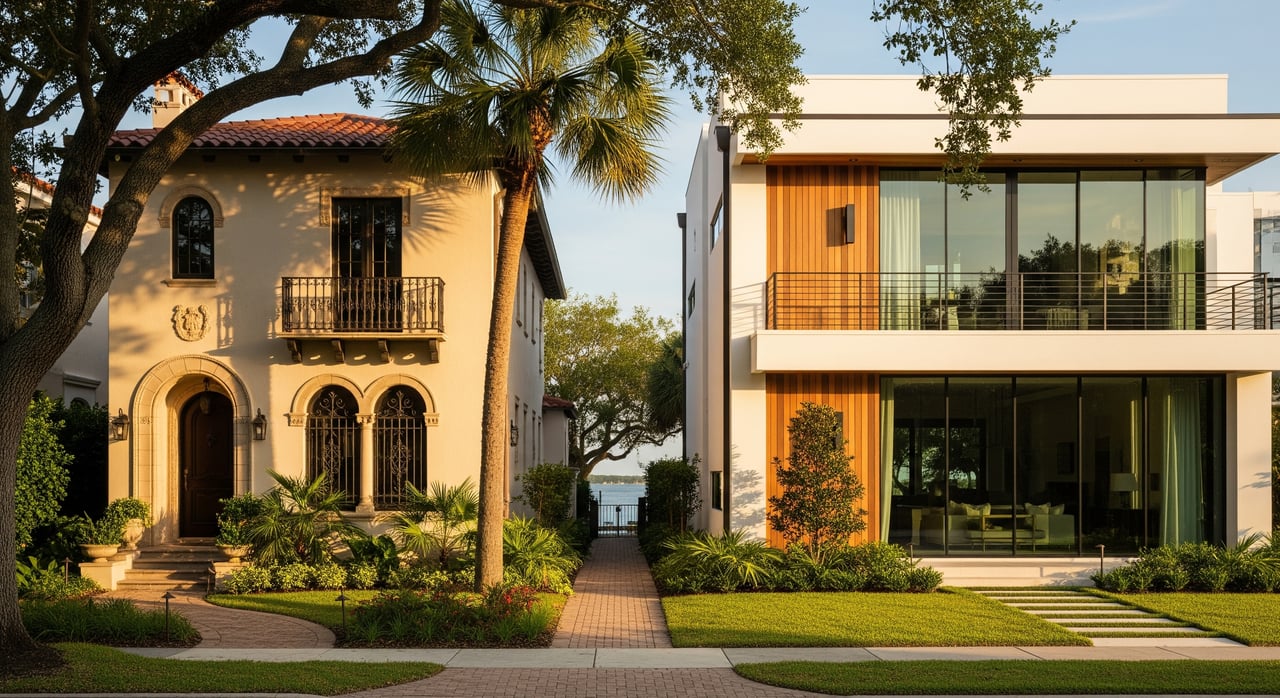
Bayshore Beautiful New vs Historic Homes: What to Know
January 1, 2026
January 1, 2026
Are you torn between a brand-new build and the charm of an older home in Bayshore Beautiful? It is a common crossroads for South Tampa buyers who want location, lifestyle, and long-term value. You want clarity on day-to-day living, costs, flood and insurance risks, and resale. This guide gives you a practical, local lens on each choice so you can move forward with confidence. Let’s dive in.
Bayshore Beautiful offers a mix of early to mid-20th century bungalows and cottage styles alongside larger infill and tear-down replacements. You will see narrow, deep lots, mature live oaks, and a consistent streetscape close to Bayshore Boulevard. The contrast creates clear trade-offs between character and scale, and it also affects maintenance and insurance.
Before you buy, verify rules that can shape what is possible. Check zoning, setbacks, height, and stormwater requirements with the City of Tampa Planning & Development. If a property sits in or near a preservation area, confirm exterior-change and demolition rules with the City of Tampa Historic Preservation Office. Floodplain designations also matter in this waterfront-adjacent area. Confirm the property’s FEMA flood zone on the FEMA Flood Map Service Center and keep elevation data handy for insurance quotes.
Common items include roof age, signs of settlement, termite or moisture damage in crawlspaces, and aging systems. Some older Tampa homes may have galvanized or cast iron plumbing and dated electrical. If the home predates 1978, be mindful of lead-based paint in older finishes. Opening up walls to create modern layouts can require structural work and careful planning to preserve character.
Prioritize due diligence:
New construction typically means lower near-term maintenance, but it is not risk-free. Watch for warranty issues, construction defects, and drainage concerns after heavy rain. Verify permitting is complete and closed, and understand your builder warranties, which often vary by system and timeline.
Key steps:
Renovations to older homes and full tear-downs require City approvals. Timelines can vary, especially for coastal construction standards, floodproofing, and any historic review if applicable. Impact fees, utility connections, and stormwater improvements can shift budgets, so build in a realistic cushion and check requirements with the city early.
Florida has higher average homeowners premiums due to hurricane exposure and repair costs. Standard policies separate wind coverage from flood. Flood is not included in most homeowners policies and is often required by lenders if the property is in a Special Flood Hazard Area.
Parts of South Tampa experience tidal flooding, storm surge, and heavy-rain events. Risk varies block by block. Use the FEMA Flood Map Service Center to confirm your zone and secure an elevation certificate. New homes in flood-prone areas may be elevated to meet Florida Building Code standards, which can reduce flood premiums.
For context on availability and rates, review resources from the Florida Office of Insurance Regulation and learn about coverage options through Citizens Property Insurance if needed.
Location on the Bayshore corridor carries a premium for proximity to the waterfront, downtown access, parks, and everyday amenities. Mature lots with privacy and canopy also command value. South Tampa’s limited supply and zoning constraints slow the pace of large-scale new construction, which tends to support prices for both high-quality new builds and well-kept older homes. School proximity and access are often part of buyer decision-making in the area, which can influence demand.
For resale, match the home to the likely buyer pool. Larger modern homes tend to attract buyers who want space and turn-key systems. Preserved historic homes draw those prioritizing character. Look closely at nearby sales within a one to three block radius to understand price per square foot and time on market.
If you prefer modern layouts, fewer near-term projects, and potential insurance credits, a new build may offer the lifestyle and predictability you want. If character, mature lots, and integration with the streetscape matter more, you may find greater satisfaction in an older home, even with added maintenance.
Use this quick checklist:
Site and flood
Rules and permits
Structure and systems
Insurance and taxes
Market and resale
Lifestyle fit
Renovation budgets for older homes vary widely. Cosmetic updates can be modest, while full gut-and-remodels or structural changes can rival or exceed new-build costs in premium scenarios. New builds typically carry higher purchase prices but lower near-term maintenance, especially within warranty periods. Always request itemized contractor estimates and include permitting and possible impact fees in your plan.
Ready to weigh specific homes side by side? If you want a hands-on partner to coordinate inspections, vet permits, and deliver a smooth, concierge experience in South Tampa, reach out to Hilary OBrien. We will tailor a plan to your goals and timeline.
Stay up to date on the latest real estate trends.
Whether you’re buying, selling, or exploring your options, I’m here to help you move forward with confidence.