Everyday Living In Hyde Park, Tampa
February 5, 2026
February 5, 2026
Picture an early morning on Bayshore Boulevard, the sun lifting over the bay as runners and dog walkers pass by and cafés start pouring espresso. If you crave a walkable routine and a neighborhood with character, Hyde Park may fit the way you live. In this guide, you’ll see what everyday life looks like in Hyde Park, what types of homes you can expect, and the practical details to check before you buy or sell. Let’s dive in.
Hyde Park sits in South Tampa just southwest of downtown and a few blocks from the Tampa Bay waterfront. You’re close to Bayshore Boulevard and within a short drive of downtown employers and cultural venues. The neighborhood blends quiet residential streets with a compact shopping and dining core, which keeps daily errands close to home.
Many residents start the day on the Bayshore Boulevard multi-use path. You’ll see running, biking, and dog walking along the waterfront, plus easy stops for coffee around Hyde Park Village. The morning pace feels active but relaxed, with tree-lined streets drawing people outdoors.
Short errands often happen on foot or by bike. You can browse boutiques, pick up specialty foods, and take care of services like salons or fitness nearby. Professionals commuting to downtown benefit from a short drive or transit connection while keeping most day-to-day needs within the neighborhood.
After work, you’ll find outdoor dining and patios throughout Hyde Park Village and the nearby SoHo corridor on Howard Avenue. Weekends bring seasonal markets and community programming in the Village and parks, which turn the area into a social hub. The vibe stays walkable and pedestrian focused.
You’ll notice pocket parks, sidewalks, and yards that support outdoor play and dog walking. The combination of mature trees and residential calm gives many blocks a neighborhood feel. Daily life is grounded in simple routines like stroller walks to a café or an early evening loop around the Village.
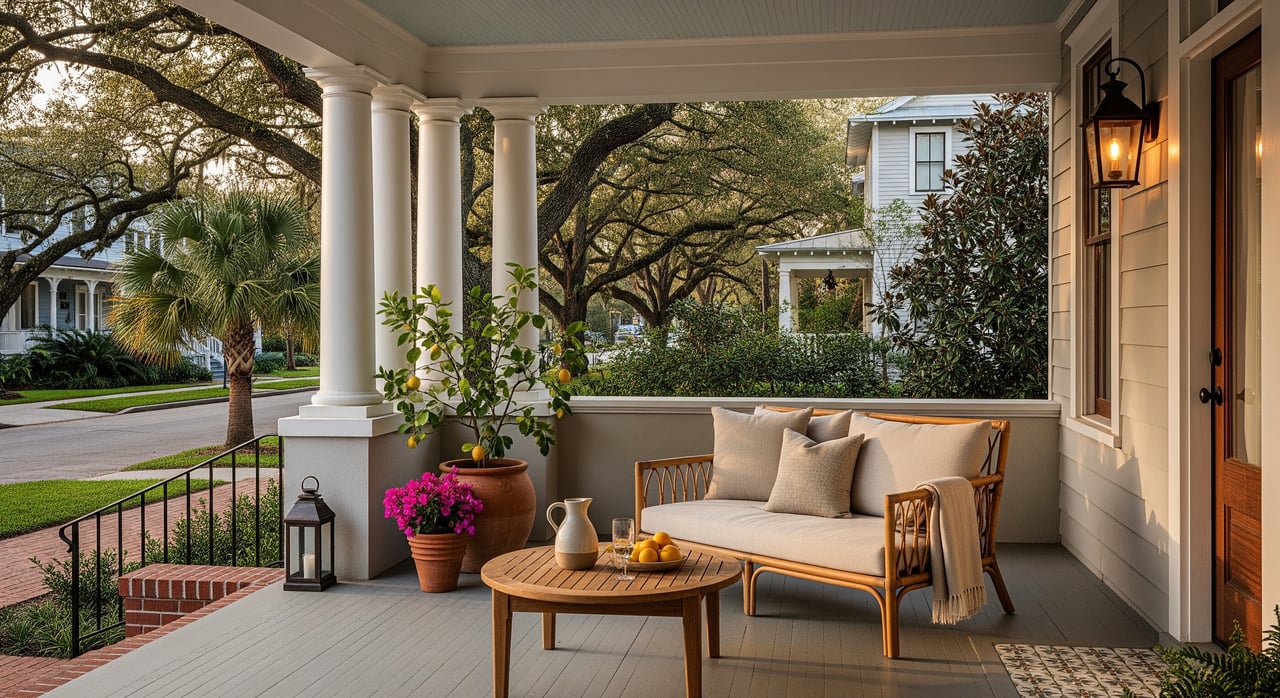
Hyde Park’s character starts with historic bungalows and Craftsman homes, complemented by Mediterranean and period revival styles. Many blocks have narrow, shaded streets with sidewalks and established landscaping. The architectural variety gives each street a distinct presence.
Hyde Park Village is the neighborhood’s main mixed-use node. You can walk between shops, restaurants, and services without needing to drive. The nearby SoHo corridor adds later-night dining and nightlife that complements the neighborhood’s quieter residential blocks.
Bayshore Boulevard’s long waterfront path functions like a linear park for daily exercise and scenic walks. Inside the neighborhood, small parks and green spaces offer a quick reset during the day. These outdoor assets are a core part of the Hyde Park routine.
From quick coffee stops to boutique shopping, daily needs are close by. Many residents still take a short drive for big weekly grocery runs, while specialty items and personal services are within walking distance. Professional services like banks and medical offices are in or near the neighborhood.
Dining leans casual to upscale-casual, with a mix of local and national concepts. Hyde Park Village often hosts community events like seasonal markets and concerts, which shape the social calendar. These gatherings make it easy to meet neighbors and enjoy the area without leaving the neighborhood.
You’ll see early-20th-century bungalows and Craftsman homes throughout the historic core. Many properties have been renovated, with active restoration and sensitive infill that respects original character. You’ll also find select mid-century and modern infill homes that add variety.
Low- to mid-rise condos and apartments sit near commercial corridors and the waterfront. Options range from historic conversions to newer luxury buildings. If you want a lock-and-leave lifestyle with amenities, these properties can be a good fit.
Lot sizes vary by block. Narrow historic lots are common in the core, while some streets feature larger parcels. Recent infill and teardowns have produced larger homes on smaller lots in places, so it helps to compare addresses to get a true feel for yard space and privacy.
Hyde Park is a premium neighborhood in Tampa. Buyers often prioritize walkability, proximity to downtown, and architectural character. Sellers tend to highlight historic details, thoughtful renovations, and access to Bayshore, parks, and dining. Renovated historic homes and properties with views can command a premium.
Parts of Hyde Park fall within local and national historic designations. Exterior changes, demolitions, and new construction can require design review and specific permits. For current rules and overlay maps, consult the City of Tampa’s Historic Preservation Office.
Zoning varies by parcel and can affect additions, accessory dwelling units, setbacks, and parking. If you plan to renovate or build, verify what is allowed and check the status of past permits. Start with the City of Tampa Planning and Development resources and the permitting portal.
Proximity to Tampa Bay means flood zones can change block by block. Before you make an offer, check FEMA Flood Insurance Rate Maps for the exact address and ask for any available elevation certificates. Review your property’s status through the FEMA Flood Map Service Center, and confirm whether a lender would require flood insurance.
Property taxes are set by Hillsborough County and local taxing authorities, and exemptions like homestead can lower your burden. Insurance costs vary with age and condition of roofs, plumbing, and electrical systems, plus any flood insurance needs. To review parcel-level data, use the Hillsborough County Property Appraiser.
School assignments depend on your address and can shift with boundary updates. Confirm the current assignment and any choice or magnet options directly through Hillsborough County Public Schools. Private and charter options exist across South Tampa as well.
Perceptions of safety can vary by block and time of day. For current data, review the Tampa Police Department resources and crime maps, and compare addresses. Local neighborhood associations and community groups can also provide context.
On-street parking is common on residential streets, but it can tighten near Hyde Park Village and during events. Retail nodes provide lots or garages, and many condos include assigned parking. If you entertain often, confirm on-site and guest parking options before you buy.
Short-term rental guidelines evolve, and HOA covenants may add restrictions. If rental income is part of your plan, verify municipal rules and building rules before you commit. A clear understanding upfront will help you avoid costly surprises.
Not every Hyde Park block offers the same access to shops, groceries, or transit. To assess daily convenience for a particular property, try this quick checklist:
HART runs bus routes along major corridors near Hyde Park, which can help for selective trips or commuting. Service patterns change, so confirm current routes and frequency on HART’s website. Many residents still rely on driving for daily commuting, with short hops to downtown during off-peak hours.
A successful Hyde Park move blends lifestyle fit with careful due diligence. You want clarity on historic rules, flood and insurance needs, and how a home’s specific location affects walkability and value. With the right plan, you can secure a property that matches your routine today and holds appeal for resale.
If you’re considering a move in or out of Hyde Park, you deserve a local advisor who pairs concierge service with strong market guidance. From staging and vendor coordination to timeline management and premium listing presentation, you’ll have a hands-on partner focused on outcomes. When you’re ready, reach out to Hilary OBrien for a warm, expert-led conversation about your goals.
Stay up to date on the latest real estate trends.

Whether you’re buying, selling, or exploring your options, I’m here to help you move forward with confidence.