Are Bayshore Blvd Condos in Tampa Right for Your Move?
April 2, 2026
April 2, 2026
Wondering whether a Bayshore Blvd condo fits the way you actually want to live? If you are weighing views, walkability, and a lower-maintenance lifestyle against monthly fees and building rules, you are asking the right questions. The good news is that Bayshore Boulevard offers a very specific kind of Tampa living, and once you understand the tradeoffs, your next move becomes much clearer. Let’s dive in.
Bayshore Boulevard is one of Tampa’s best-known waterfront corridors. The City of Tampa describes it as a 4.5-mile scenic boulevard with one of the longest continuous sidewalks in the United States. It also functions as a signature multi-use route that connects South Tampa with downtown.
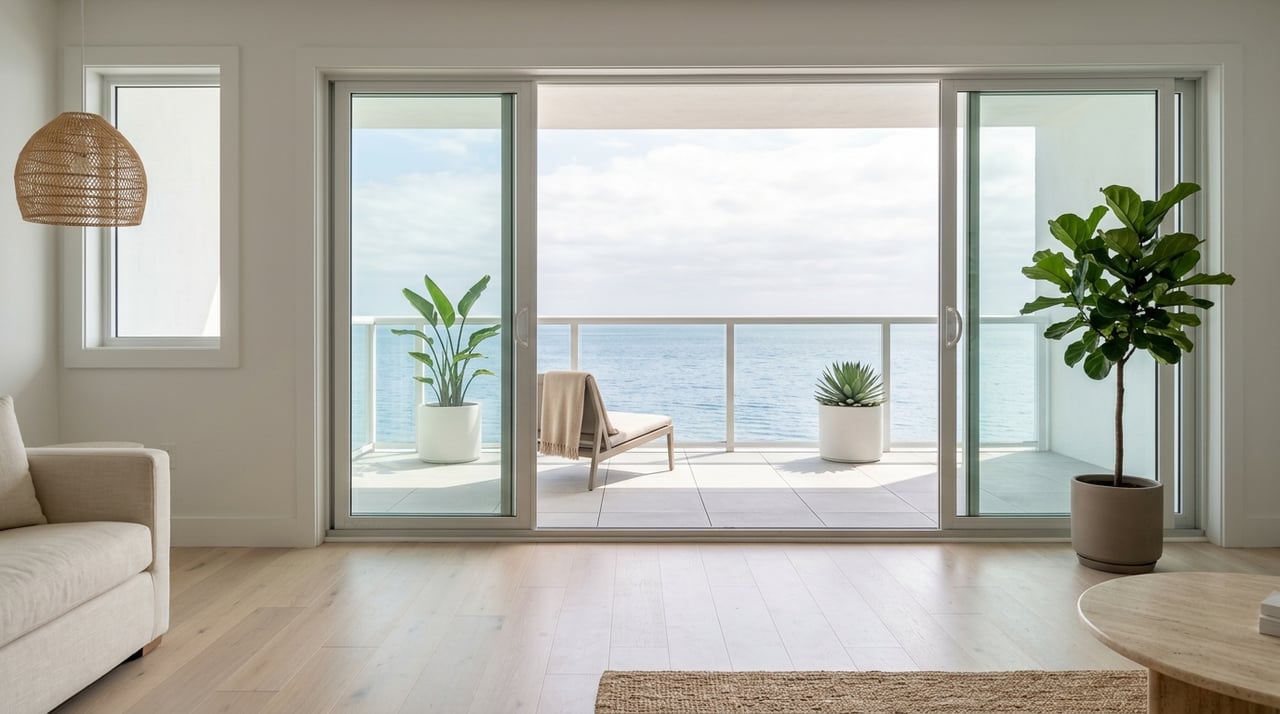
That setting shapes the condo lifestyle here. For many buyers, the appeal is not just the unit itself. It is the daily access to bay views, walking and biking, and a waterfront setting that still keeps you close to downtown, Hyde Park, and nearby South Tampa destinations.
A Bayshore condo often appeals to buyers who want to simplify day-to-day ownership. Compared with a house, condo living usually shifts much of the exterior and common-area upkeep to the association. That can be especially attractive if you want a lock-and-leave setup, spend part of the year elsewhere, or simply do not want to manage as many maintenance tasks yourself.
This type of lifestyle can be a strong fit if you value convenience and location over yard space or full control of the property. The research points to Bayshore condos as a strong option for downsizers, professionals, and second-home buyers who want waterfront views, walkability, and simplified maintenance.
If you are deciding between a condo on Bayshore and a house in a nearby neighborhood, it helps to think about how you want your days to look.
The City of Tampa describes Hyde Park Preservation as Tampa’s oldest existing neighborhood, with historic homes from the 1920s and 1930s. The same city neighborhood materials describe Bayshore Beautiful in terms of stately and elegant homes, while Davis Islands is noted as a mix of residential and retail areas with parks, green space, community events, and water views.
Those nearby areas offer a different housing experience. A house may give you more privacy, more interior flexibility, and a more traditional residential setup. A condo on Bayshore, by contrast, is often about maximizing location, views, amenities, and lower hands-on maintenance.
| Option | Often appeals to buyers who want | Main tradeoff |
|---|---|---|
| Bayshore condo | Views, walkability, amenities, easier upkeep | HOA fees, shared building decisions |
| Hyde Park or Bayshore area house | More private space and a traditional home setup | More owner maintenance |
| Davis Islands house | Water-oriented setting with parks and mixed-use surroundings | More property responsibilities |
On Bayshore, monthly ownership costs can vary a lot from one building to the next. The biggest drivers are usually building age, unit size, floor level, view quality, and the amenity package.
The examples in the research report show just how wide that range can be. A unit at Bayshore Towers, built in 1980, shows a monthly HOA of $879 with coverage that includes insurance, structure, grounds, pool, sewer, trash, and water. At 345 Bayshore, HOA fees are shown roughly from $600 to $1,000, with amenities such as 24-hour security, pool, gyms, sauna, clubhouse, business center, guest suites, dog walk, and EV charging.
Higher-end and newer examples can run higher. Research examples at Hyde Park House show HOA fees around $1,339 to $1,700 per month, while a waterfront residence at 4950 Bayshore shows a monthly HOA of $1,852. These are not market averages, but they do show that on Bayshore, the monthly number can change dramatically depending on the building and lifestyle package.
Building age deserves extra attention on Bayshore because of Florida’s condo rules for older buildings. Under Florida law on milestone inspections, condominium buildings that are three habitable stories or more must be inspected by the year they turn 30, and local enforcement may require inspections by age 25 when saltwater proximity makes that appropriate.
The law also ties into reserve planning. Qualifying buildings must have structural integrity reserve studies at least every 10 years. For Bayshore buyers, that means an older waterfront tower may come with more important due diligence questions than a newer building.
That does not automatically make an older building a bad choice. It simply means you should look carefully at inspection history, reserve funding, and whether major capital work may affect future costs.
If you are serious about buying a condo on Bayshore, the monthly HOA number alone is not enough. You need to understand what that fee covers and what financial obligations could still land on you later.
Florida consumer guidance notes that condo associations may assess owners for common-area damage not covered by the association policy or reserves. That same guidance says unit owners should carry their own HO-6 policy with at least $2,000 of loss-assessment coverage, as explained in the state’s Homeowners Insurance Toolkit.
Florida condo law also connects reserve funding to the structural integrity reserve study for qualifying buildings. You can review the relevant reserve requirements in Florida Statute 718.112.
Because Bayshore is a waterfront corridor, flood risk should be reviewed carefully for any property you are considering. But it is important not to assume every address on Bayshore carries the same flood profile.
FEMA states that the Flood Map Service Center is the official public source for flood-hazard information, and maps can change over time. The smartest move is to check the specific address directly instead of relying on a general impression of the area.
A Bayshore condo may be a strong match if you want:
It may be less ideal if you strongly prefer:
The best choice usually comes down to your lifestyle first and the numbers second. If your priority is waking up near the water, enjoying one of Tampa’s most recognizable walking corridors, and simplifying homeownership, a Bayshore condo can be a smart move. If you want a more traditional home experience, nearby neighborhoods like Hyde Park Preservation or Davis Islands may feel like a better fit.
The key is to compare not just price, but also maintenance style, insurance needs, HOA structure, and building condition. When you look at the full picture, you can make a decision that feels good both now and in the years ahead.
If you are comparing Bayshore condos with other South Tampa options, Hilary OBrien can help you sort through the details, narrow down the right fit, and move forward with confidence.
Stay up to date on the latest real estate trends.

Whether you’re buying, selling, or exploring your options, I’m here to help you move forward with confidence.