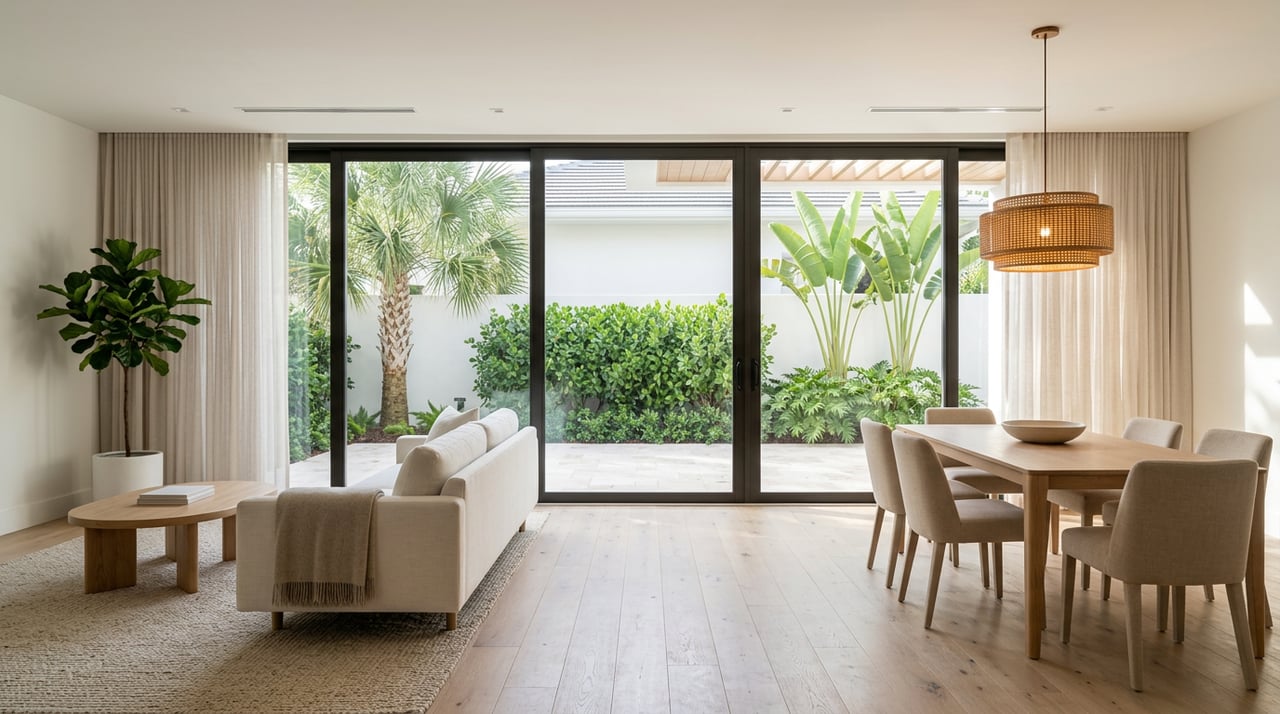
Your Guide to the Palma Ceia Real Estate Market
March 5, 2026
March 5, 2026
Is Palma Ceia the right place for your next move or sale? If you love South Tampa’s historic charm, golf-course living, and easy access to Bayshore, this micro-market likely tops your list. You also know luxury prices can shift fast and vary street by street. In this guide, you’ll get a clear picture of current pricing, inventory, timing, and how to compete whether you’re buying or selling. Let’s dive in.
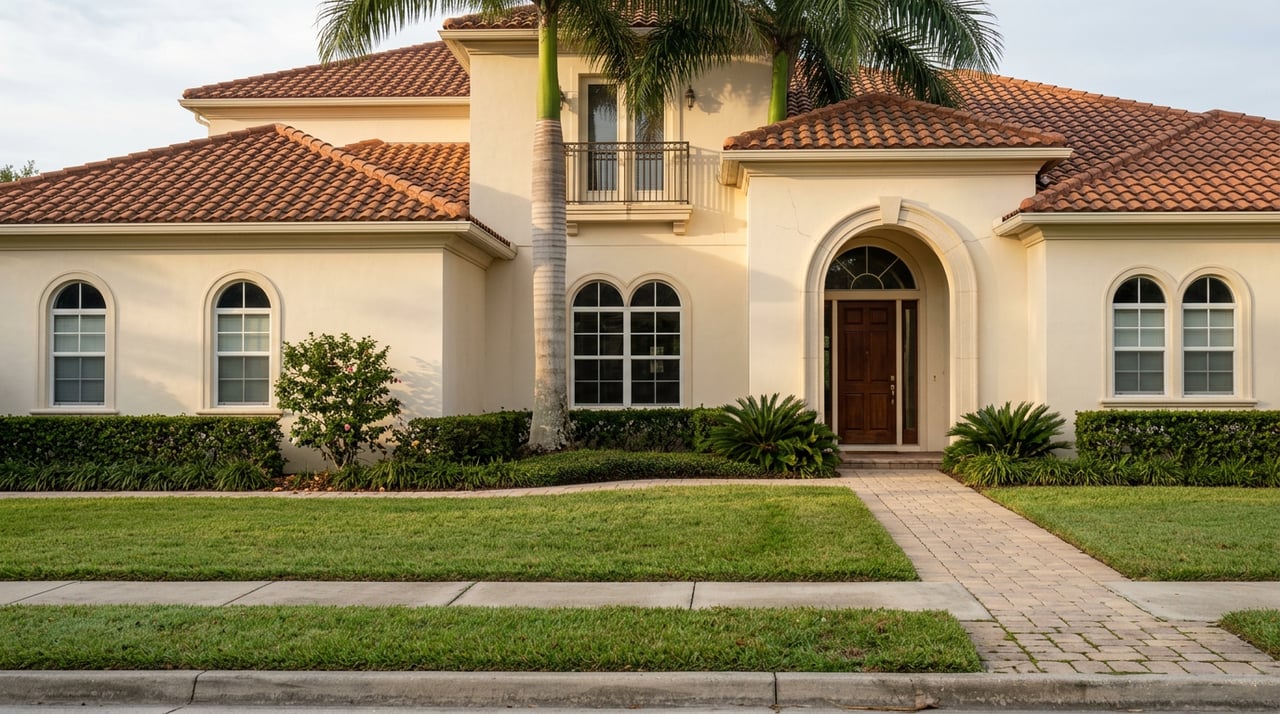
Palma Ceia’s appeal starts with mature oaks, brick streets, and early 20th‑century architecture. You’ll see bungalows, Mediterranean Revival, and Craftsman styles that speak to Tampa’s roots. The neighborhood’s historic fabric is a real value driver, and preservation interest runs deep across Tampa’s core districts. For context on local preservation culture, explore the resources from Tampa Preservation.
Two location anchors consistently shape pricing: Palma Ceia Golf & Country Club and Bayshore Boulevard. Blocks that face the course or sit very close to Bayshore tend to command the strongest premiums. The club’s history runs back to 1916, underscoring the neighborhood’s long-standing lifestyle appeal. You can learn more about the course’s background through this Palma Ceia Golf & Country Club overview.
Alongside restored historic homes, you’ll find modern custom builds on larger or well-located lots. Teardown-to-rebuild activity is ongoing, which adds diversity to price per square foot. Local builders openly market Palma Ceia projects, confirming steady demand for high-end infill. See an example of builder activity in the area through this Palma Ceia new-build page.
If you’re tracking numbers, be sure to attach both date and provider since Palma Ceia’s small sample sizes can swing monthly figures.
Price per square foot typically ranges about 380 to 490 dollars depending on exact boundaries, vintage, and proximity to the golf course or Bayshore. As of late 2025 into January 2026, several aggregators showed a flat to mild year-over-year decline versus the 2021–2024 peak period. Expect short-term volatility because just a handful of closings can move the median.
What does that mean for you? Treat $/sqft as a directional signal. When it is time to make or accept an offer, you’ll want a tight comp set filtered by street, lot size, vintage, condition, and adjacency to the course or Bayshore.
Active listings remain limited for a neighborhood this desirable. Zillow showed about 26 active listings as of January 31, 2026, while Realtor.com reported around 36 in December 2025. Inventory changes month to month, and Palma Ceia is thinly traded compared with larger Tampa submarkets.
Days on market also varies by source and price band. One provider reported a median in the mid‑30s during January 2026 while another showed a longer median near 79 days in December 2025. Differences reflect sample windows and whether higher-end listings are included, which can stay on market longer.
Competition patterns tend to break into two lanes:
Many Palma Ceia purchases fall into jumbo-loan territory or involve strong down payments. Get clarity on lending requirements early, including appraisal timelines and any added underwriting steps that can come with larger loans. For a primer on jumbo considerations in South Tampa, review these jumbo loan basics.
Older homes can reveal age‑related issues in Florida. Prioritize inspections for the roof, electrical panel, plumbing, HVAC, and structure, and consider a pest or termite check. Pre‑1950 properties can include materials and systems that need modern updates. For a quick refresher on common findings in older homes, see this guide to pre‑1950 inspection issues.
Parts of South Tampa, especially properties near the bay or at lower elevations by Bayshore, can carry higher flood risk or higher insurance costs. Check FEMA flood maps, request elevation certificates where applicable, and price flood insurance early since coverage can influence monthly costs. This resource on Tampa Bay flood insurance is a helpful starting point.
Unique historic or trophy properties sometimes appraise below contract if comparable sales are limited. Work with a lender and appraiser who know South Tampa’s micro-markets. Be ready with a comp package that shows proximity to the golf course or Bayshore, renovation scope, and lot premiums.
Not every opportunity makes it to public portals. In small, premium neighborhoods, word‑of‑mouth and relationships often surface strong matches before they hit the open market. Ask your agent about private-network activity and recent whispers on the streets you like.
Accurate pricing is the biggest driver of time on market and final sale price in the current environment. Ask for a 90‑day MLS comp set broken out by three buckets: historic or renovated bungalows, modern infill or new builds, and golf-course or Bayshore‑adjacent lots. Treat $/sqft as secondary to block‑level comps and condition.
Invest strategically where buyers look first. Focus on curb appeal, roof and HVAC condition, and refreshed kitchens and baths. In South Tampa, documented hurricane mitigation such as impact windows or properly rated shutters can be a meaningful plus. Pair the work with professional staging, photography, and video to elevate your market presence.
A pre‑listing inspection can surface issues early and reduce repair negotiations later. Where relevant, pull an elevation certificate and have an insurance estimate ready for buyers who are running the numbers closely. For parcel-level verification and permit history research, the Hillsborough County Property Appraiser is a valuable reference point.
Historically, late winter into spring captures seasonal buyer traffic in South Tampa. Many luxury sellers prepare in Q4 to list by February through April. That said, let property readiness and neighborhood activity guide the final call rather than a calendar alone.
Use a structured approach to get beyond broad medians and into true market value:
Palma Ceia offers rare South Tampa charm with a mix of historic homes and modern luxury builds near coveted amenities. Prices sit in the high‑six to low‑seven figures for many streets, then jump higher for golf‑course and Bayshore‑adjacent properties. Inventory stays limited, and competition splits by price band, so your strategy should be tailored to your lane.
If you want a clear, block‑by‑block plan to buy with confidence or list for maximum impact, let’s talk about your goals, timing, and the best path forward for your home.
Ready to take the next step? Connect with Hilary OBrien to map your move in Palma Ceia. Schedule a Free Consultation.
Stay up to date on the latest real estate trends.

Whether you’re buying, selling, or exploring your options, I’m here to help you move forward with confidence.